Back to news & insights
Why doesn't the MOD understand what my technology does?

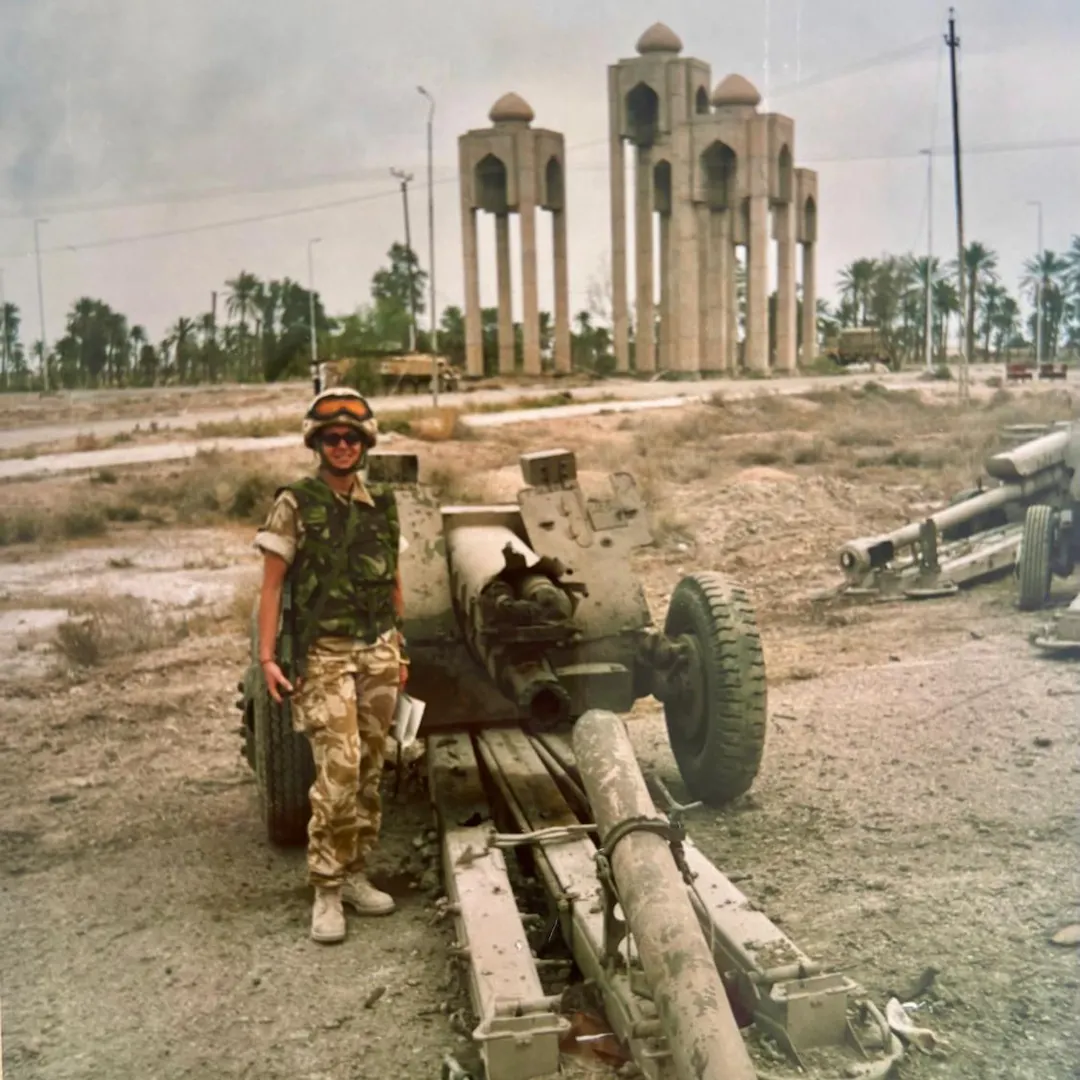
On the gun line, timing is everything. The observer, the guns and the troops on the ground have to be exactly in step. On Op TELIC 1, I saw what happens when they aren't: a fire mission that began sooner than the officer on the ground had asked for. It ended well, but it showed me how much rested on orders passed by voice and worked through by hand, by people who were well trained, committed and very tired.
That's the kind of moment much of today's defence technology exists to prevent. Yet founders rarely pitch it that way. They talk about data fusion, latency and processing power, then wonder why the customer didn't get it.
Usually the customer understood perfectly well what it was. They just couldn't see what it changed for the people using it. Anyone who has been where I was would rather hear one sentence about getting the timing right than a page about bandwidth.
Military customers read a pitch through operational filters. Does it make us more lethal, able to find and strike the right target faster? More survivable, keeping our own people safer? More ready, easier to train on, maintain and bring into service? If your pitch doesn't answer at least one of those in plain terms, it has nowhere to land, however impressive the spec sheet.
And "the MOD" isn't one reader. The soldier who will use it, the requirements manager, the commercial team and the scientist are all asking different questions. Many pitches are written for the scientist and sent to everyone.
The Army itself shows how to get this right. Look at how the Army Programmes team explains ZODIAC, the Army's digital intelligence and command system, on its LinkedIn page. (Full disclosure: Canny worked with the programme team, so I've seen this up close.) It doesn't lead with the architecture. It starts with the old way: electronic warfare information passed by radio, transcribed by voice into a worksheet, then shared by email or PowerPoint for people at Corps level to work through. Then it shows the new way. On Exercise ARRCADE STRIKE, a drone over Salisbury Plain fed target data into the system, and sensor reports passed from Larkhill to a headquarters in London to inform the decision to bring in artillery, mortars and rockets.
The guns have been going digital too. In 2020, Defence Equipment and Support described FC BISA, a system that generates firing data for artillery and mortars almost instantly, with a safety officer checking and verifying the information before anything is fired. Put those two side by side and the direction of travel is clear.
That safety detail matters. The technology doesn't replace judgement. It removes the hand-offs where tired people make mistakes and keeps a human check where it counts.
The Army sums it up in three words: Sense, Decide, Effect. Not throughput or specifications, but what changes for the people doing the job.
This isn't only about equipment. In the first episode of series 2 of Canny Chats, recorded at Reputation Masterclass 2026, Alix Vonk, Deputy Director Communications and Influence for the Royal Navy, described the same problem from the communications side. Industry can bring her a story she loves, but "unless it filters through... the government's lens, we get nowhere with it." Her advice was simple: "Use our filters." For the Navy, that means innovation, leadership, agility and nuclear. Different filters, same principle. The audience decides what matters, not the sender.
So before your next pitch, find out who you're actually talking to and what they need to hear. Then tell them what changes for the person on the ground.
If you'd like to work on this, Reputation Labs: Technical Storytelling starts online on 5 November, or join us in person at Porton Science Park on 9 November.
https://www.tickettailor.com/events/cannycomms/2421158